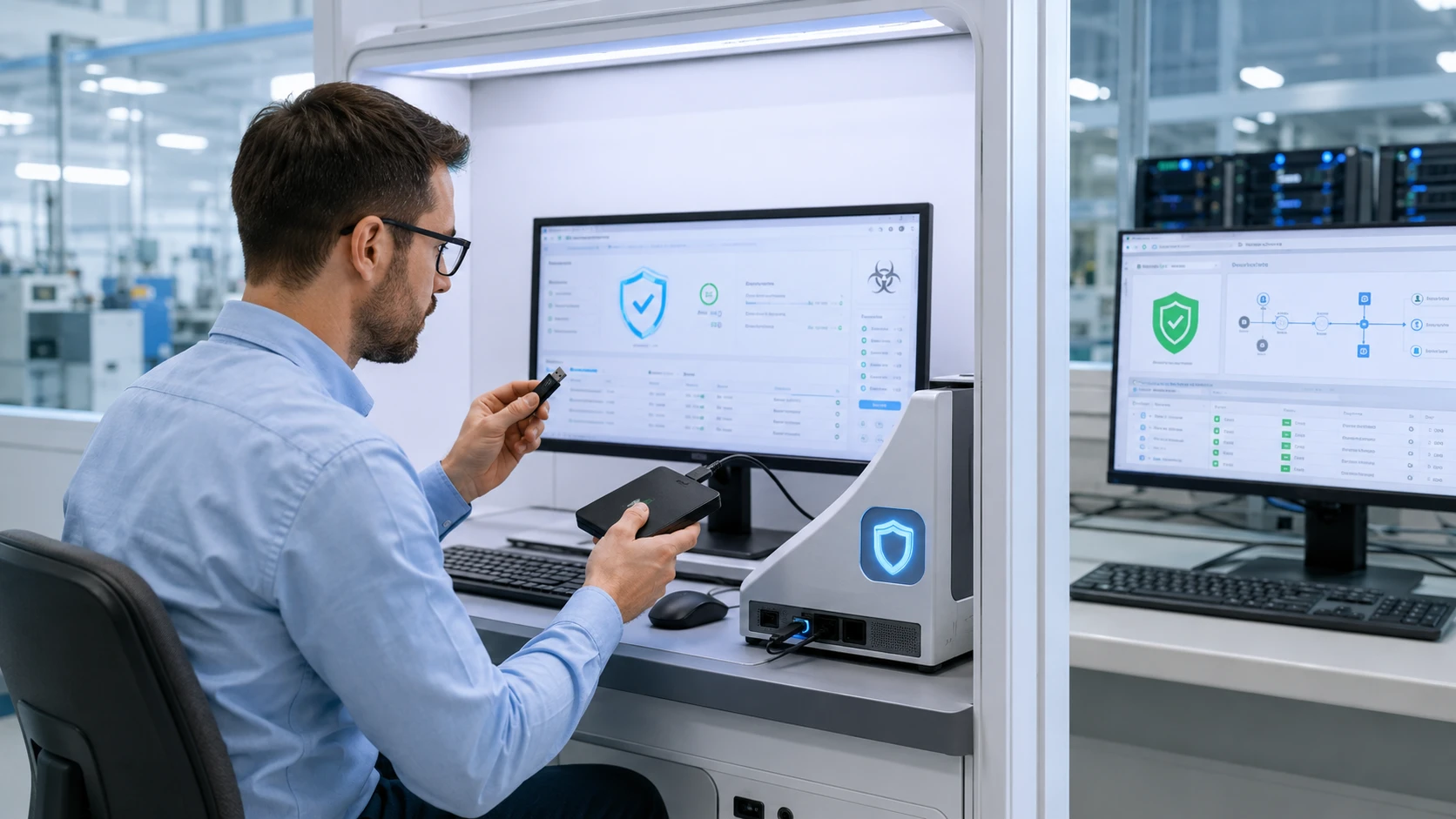
This strategy is particularly crucial for sectors like manufacturing, energy, healthcare, and government, where maintaining the integrity of air-gapped or sensitive networks is vital. Implementing a successful sheep dipping program requires a combination of clear organizational policies, dedicated inspection stations, updated security tools, and employee education to stop threats at the point of entry.
Timeless Lessons in Removable Media Security
Cybersecurity professionals spend a lot of time discussing advanced threats, AI-powered attacks, ransomware campaigns, zero-day vulnerabilities and sophisticated threat actors.
External devices, such as USB drives, portable hard disks, or hardware brought in by contractors and visitors, frequently serve as silent gateways for malware.
Despite heavy investments in firewalls and cloud security, these removable media tools can bypass traditional defenses and enter a network unnoticed.
This persistent vulnerability is why the classic concept of “sheep dipping” remains an essential security practice today.
While the name may sound rustic, the principle is highly effective for modern critical infrastructure, healthcare, and government sectors. Sheep dipping offers a straightforward way to intercept and neutralize threats before they ever touch the production network.
What Is Sheep Dipping?
Borrowed from agriculture, the term refers to the process of disinfecting new sheep before they join the flock to prevent the spread of parasites. In IT, this translates to scanning and sanitizing removable media using an isolated workstation before the device is allowed to connect to any internal systems.
When farmers introduce new sheep into a flock, they often dip them in a disinfecting solution before allowing them to mix with the rest of the herd. The goal is simple: prevent parasites or diseases from spreading to healthy animals.
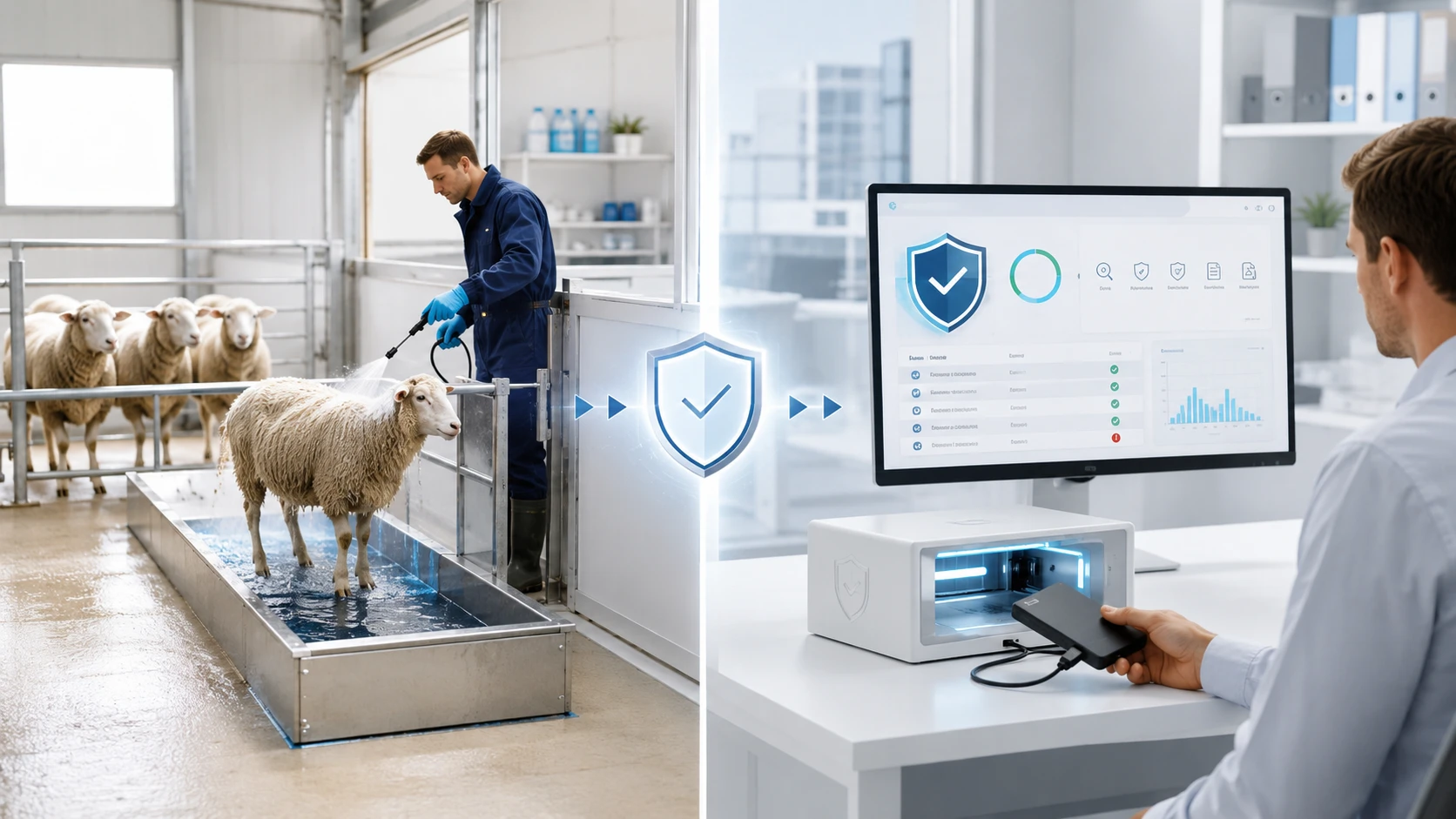
In IT environments, sheep dipping refers to the process of scanning and sanitizing removable media before it is connected to production systems. This is typically done using a dedicated, isolated device or workstation specifically designed to inspect files, detect threats, and prevent malware from entering the network.
Why Malware Loves Removable Media
Attackers continue to favor removable media because it circumvents many traditional security layers. Firewalls and email filters cannot inspect a physical USB stick. For organizations managing air-gapped networks or industrial control systems (ICS), a single infected device can bypass internet-focused defenses and trigger ransomware outbreaks, data theft, or operational disruption.
History has demonstrated this risk clearly with incidents like the Stuxnet worm, proving that prevention at the point of entry is far more cost-effective than attempting recovery after a breach.
How Sheep Dipping Works
A robust sheep dipping process involves connecting any incoming device to a standalone station for multi-layered analysis, including malware scanning, signature checks and heuristic evaluation. This isolation ensures that even if a threat is present, it is contained within a controlled environment, drastically reducing the overall risk to the organization.
Why Traditional Antivirus Is Not Enough
Sheep dipping is not a replacement for endpoint protection but a necessary additional layer. While standard antivirus often detects threats after they reach a host, sheep dipping prevents the “spark” from entering the building in the first place. This proactive approach strengthens overall cyber resilience by addressing vulnerabilities before they can be exploited.
Industries That Benefit Most From Sheep Dipping
While any organization can benefit from this approach, some sectors gain particularly strong value.
Manufacturing
Production environments frequently rely on removable media for equipment updates, maintenance activities, and operational workflows.
Energy and Utilities
Critical infrastructure operators cannot afford disruptions caused by malware entering operational systems.
Healthcare
Medical equipment and diagnostic systems often involve external devices and data transfers that require additional scrutiny.
Financial Services
Protecting sensitive customer data requires strict controls over all potential entry points.
In these environments, sheep dipping is often viewed not as an optional security measure but as an operational necessity.
Building a Strong Sheep Dipping Strategy
Technology alone is not enough.
Successful sheep dipping programs combine people, processes and technology.
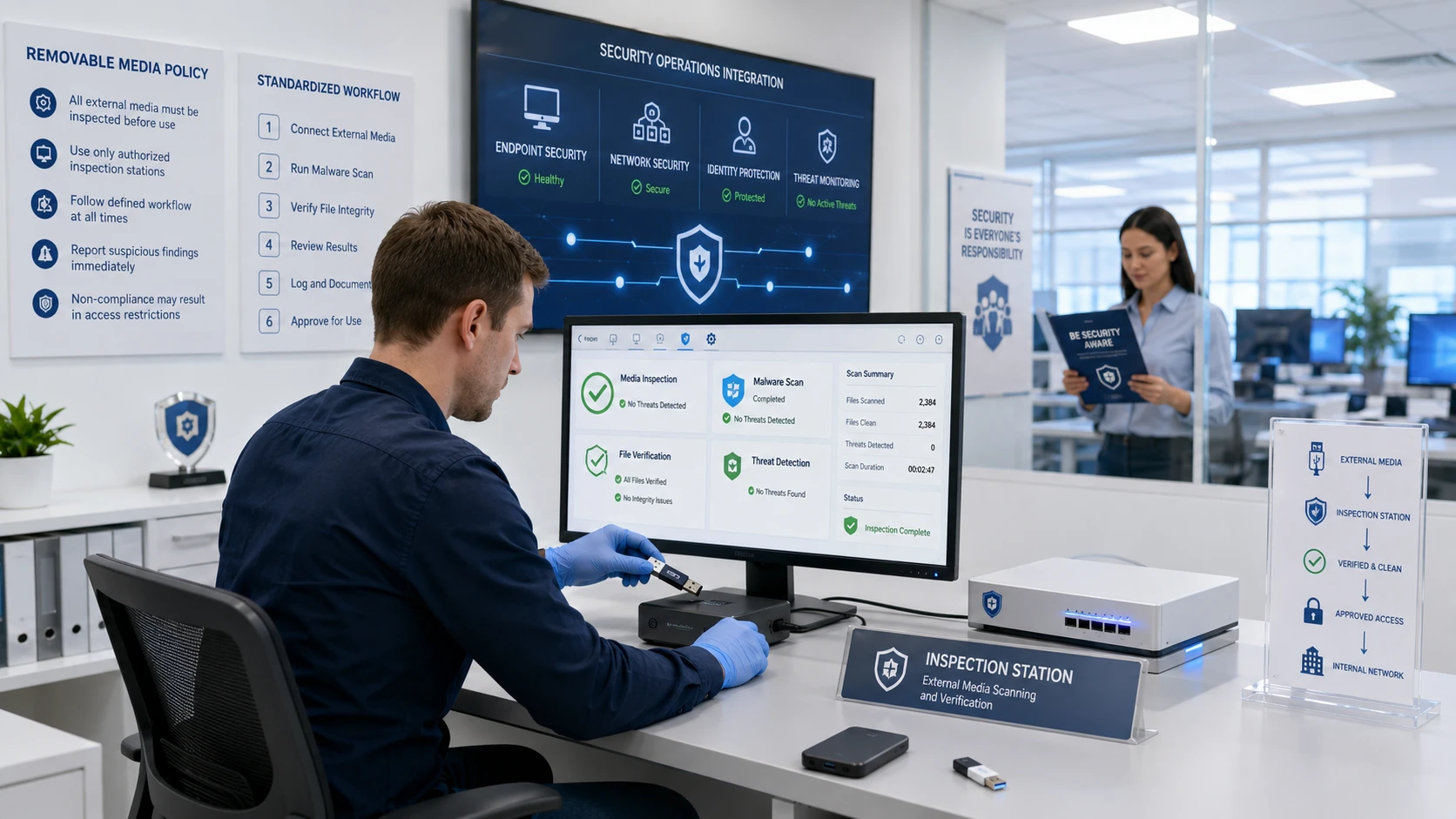
Organizations should consider:
Establishing Clear Policies
Every removable device should follow a standardized inspection process before entering critical systems.
Using Dedicated Inspection Stations
Separate scanning systems reduce the possibility of contamination and create an auditable security workflow.
Maintaining Updated Security Tools
Detection capabilities are only as effective as the intelligence behind them.
Educating Users
Employees, contractors, and partners should understand why scanning procedures exist and why bypassing them creates unnecessary risk.
Integrating With Broader Security Operations
Sheep dipping should complement endpoint security, network security, identity protection, and threat monitoring initiatives.
Cybersecurity works best when security controls support one another rather than operate independently.
Prevention Is Still the Most Effective Defense
In the face of complex infrastructure and emerging threats, the most valuable stage of cybersecurity remains prevention. Sheep dipping is a disciplined, simple practice that saves time and resources by stopping malware at the door. At D3, we emphasize these foundational layers of protection to help organizations across the GCC build lasting resilience.