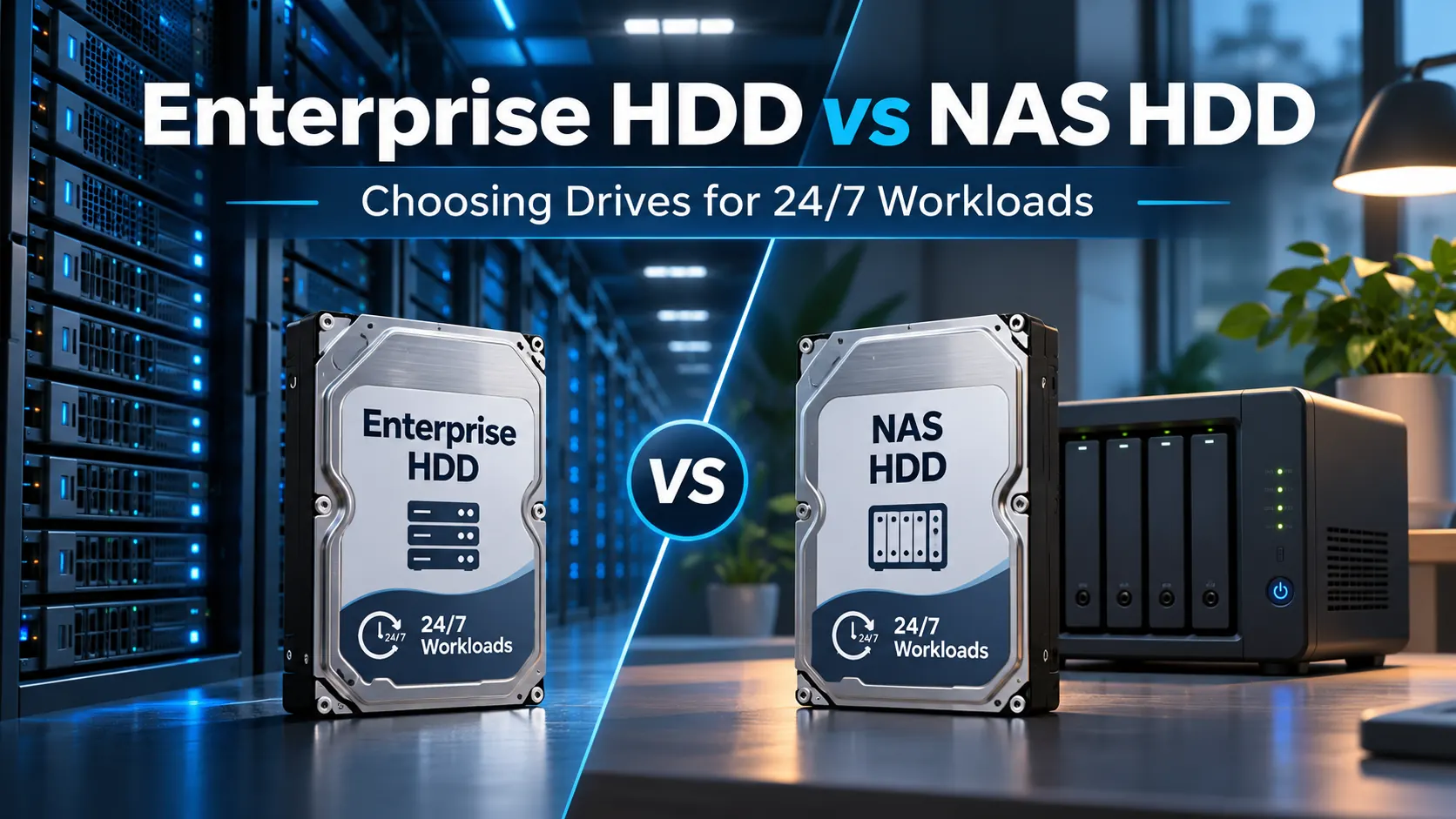
An electronic door can work flawlessly every single day, yet still fail completely in the exact moment it matters most. The keycards swipe fine, employees pop in and out without a hitch, the controller logs every entry and the door snaps shut securely after each person steps through.
Then suddenly, the power cuts out. Should that door spring open on its own? Or stay firmly shut? That’s the core dilemma behind Fail-Safe vs Fail-Secure Door Locks and choosing the right setup involves a lot more than just personal security preference.
You have to factor in what the door actually does, how emergency evacuations are planned, fire safety rules, building occupancy, local regulations and overall risk.For instance, a server room needs to stay locked against outside intruders during a blackout while still letting anyone inside escape safely. A door sitting right on a primary fire exit, however, follows entirely different rules. You simply can’t apply the same locking logic to a warehouse entry, a loading dock, an office suite and a data center.
This balance is especially crucial for facilities across Dubai, Riyadh and the broader GCC region, where modern access control is rapidly rolling out across corporate offices, logistics hubs, data sites and expansive multi-building campuses.
So the real question isn’t:
“Is fail-safe better than fail-secure?”
It is:
“How exactly should this specific door respond when power dies, systems fail or an emergency happens?”
What Fail-Safe and Fail-Secure Actually Mean
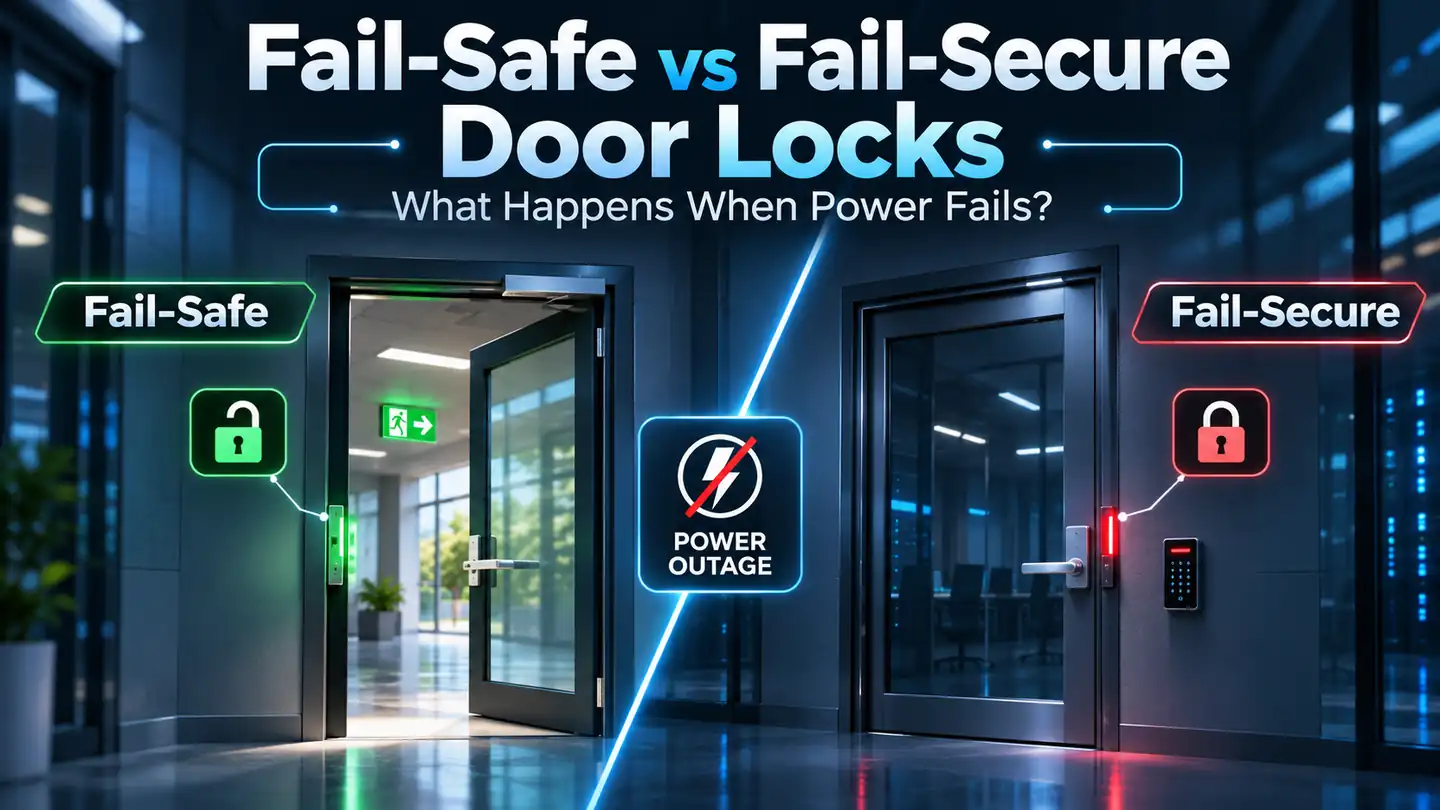
Simply put, Fail-Safe vs Fail-Secure Door Locks describes what a lock does the moment it loses power. A fail-safe lock needs continuous electricity to stay locked.
Cut the power and it unlocks automatically.
Think of it like this:
Power ON → Locked
Power OFF → Unlocked
A classic example is a magnetic lock. Electricity creates the magnetic force that holds the door shut; as soon as the power drops out, that magnetic grip is gone and the door swings free. A fail-secure lock works the exact opposite way. If the power cuts out, it stays mechanically locked shut. So in this scenario:
Power Loss → Remains secured from the outside
However, that does not mean people inside are trapped.This distinction is critical to understand. Take a fail-secure electric strike: during a power outage, it keeps external intruders out, but someone on the inside can still turn the door handle to exit mechanically. Turning that interior lever physically pulls back the latch, even if nobody on the outside can get in without power or a physical key.
Because of this, you should never assume “fail-secure” means:
No one can escape during a power failure.
It only defines the lock’s secure state—not how the door handles emergency exit. By that same logic, you shouldn’t assume fail-safe is the automatic choice for every single door either.
The complete assembly needs to be considered. That full system includes:
- Lock
- Lever or panic hardware
- Door closer
- Reader
- Request-to-exit device
- Door contact
- Access controller
- Emergency release
- Fire-alarm interface
- Power supply
Ultimately, Fail-Safe vs Fail-Secure Door Locks decisions rely on an integrated system, not just an isolated lock spec.
What Happens When Power Fails?
This is where things get practical. Picture a power outage hitting a distribution center in Riyadh.
Several doors rely on access control. The main employee exit sits right on an evacuation path. A server room houses essential IT gear. A high-value stock area stores expensive products. Should all three doors react the exact same way? Definitely not.
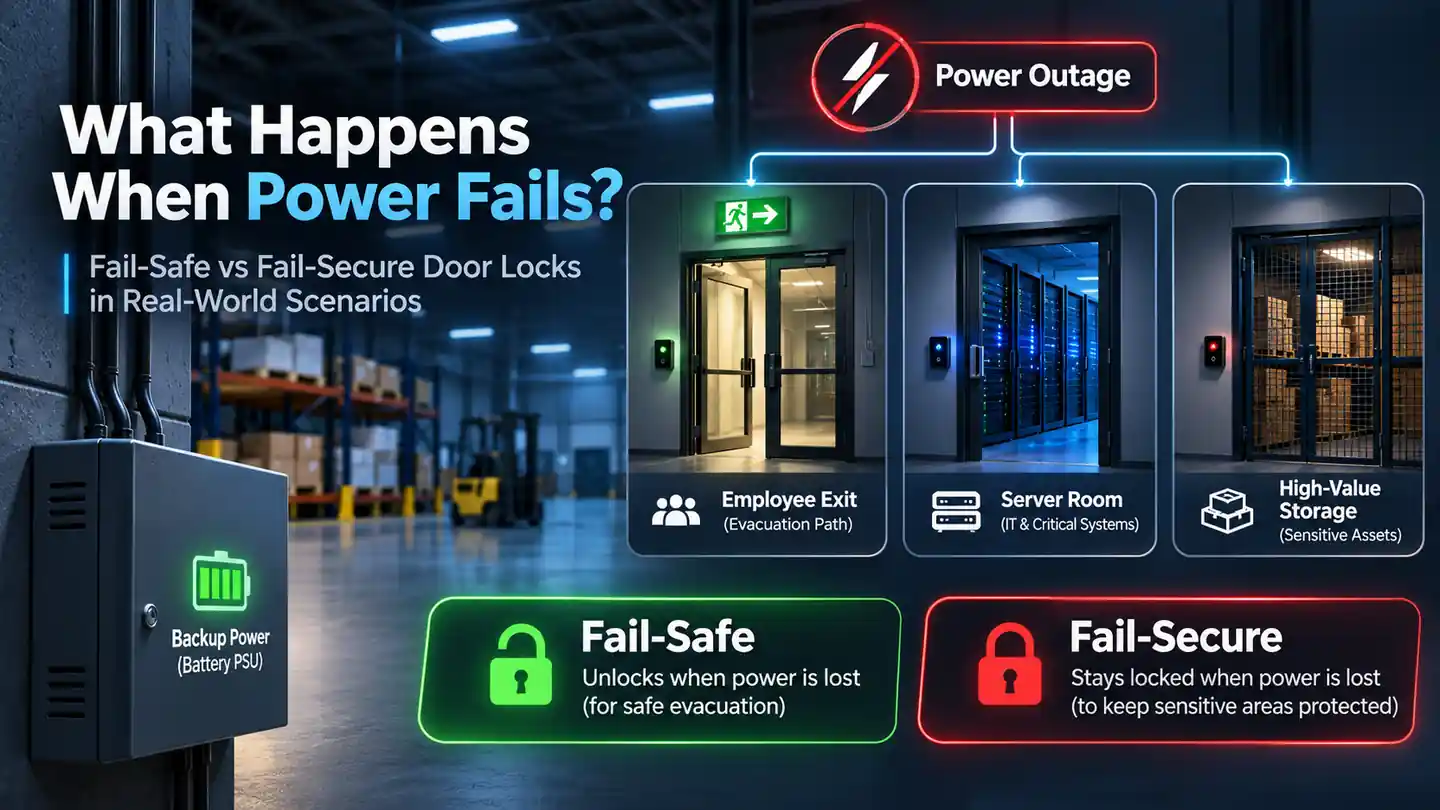
A fail-safe lock releases as soon as it loses power. That makes total sense when people need an easy electrical release to evacuate during an emergency. However, it also means a standard blackout might leave the secured area wide open unless you’ve built in backup power or extra safeguards. On the flip side, a fail-secure lock stays shut from the outside when power drops. This keeps sensitive areas protected against intruders during an outage while still letting anyone inside leave using mechanical hardware. That’s precisely why, in Fail-Safe vs Fail-Secure Door Locks planning, the question “what happens on power failure?” should be clearly answered for every door on your plan.
Do not wait until commissioning to discover the answer. Your design team should work out these details early:
- What happens when the main power goes out?
- What happens if the access-control power supply fails?
- What happens if the main controller stops working?
- What happens when the fire alarm activates?
- Can anyone inside always use the manual exit hardware?
- Is there a local emergency override switch available?
- Does backup power change how the system behaves?
These scenarios sound similar, but they aren’t always identical. A battery-backed access-control PSU, for example, may allow the system to continue operating during a short mains outage. That does not eliminate the need to define what happens if the access-control power itself ultimately disappears.
Electric Strikes vs Magnetic Locks
In Fail-Safe vs Fail-Secure Door Locks discussions, electric strikes and magnetic locks often get lumped together because both can be controlled electronically. When it comes to mechanics, though, they operate completely differently.
An electric strike works by replacing or modifying the strike plate side of a traditional door latch. Once access is approved, the strike releases so the door can swing open. Depending on the specific model, an electric strike can be configured as either fail-safe or fail-secure.
Fail-secure strikes are ideal when keeping the entryway secured during a power failure is a priority. As long as the overall door setup is designed properly, people inside can still use the interior handle or panic bar to exit mechanically. Because of this balance, electric strikes work great for spaces like:
- Offices
- Storerooms
- IT rooms
- Staff doors
- Controlled internal areas
A magnetic lock or maglock, uses electromagnetic force to hold the door closed.
Since the magnet needs electricity to maintain its grip, maglocks are fail-safe by nature: cut the power and the magnetic bond instantly releases.
Paxton’s guidelines on access-controlled fire exits point out that magnetic locks are typically fail-open, emphasizing that electrically locked escape doors need a reliable, fail-safe release method in an emergency. In fact, Paxton’s guidance on access control with fire doors recommends setting up a standalone emergency override rather than relying entirely on a software command to unlock the door.
Maglocks offer strong holding power and clean, minimalist installations, but because they hold doors shut purely through electric power, their emergency release setup needs careful planning. That’s especially vital when the door is a designated fire escape or primary egress route.
At the end of the day, Fail-Safe vs Fail-Secure Door Locks choices should always fit the door’s actual role in the building not just whichever lock seems easiest to install.
Life Safety and Local Code Requirements
This is the section where generic internet advice about Fail-Safe vs Fail-Secure Door Locks becomes dangerous. The right locking setup depends heavily on several factors specific to the facility:
- Jurisdiction
- Occupancy classification
- Egress design
- Fire strategy
- Door type
- Fire rating
- Number of occupants
- Access-control architecture
Because of this, installers should never assume that a setup that worked on a previous project will automatically be right for the next one.
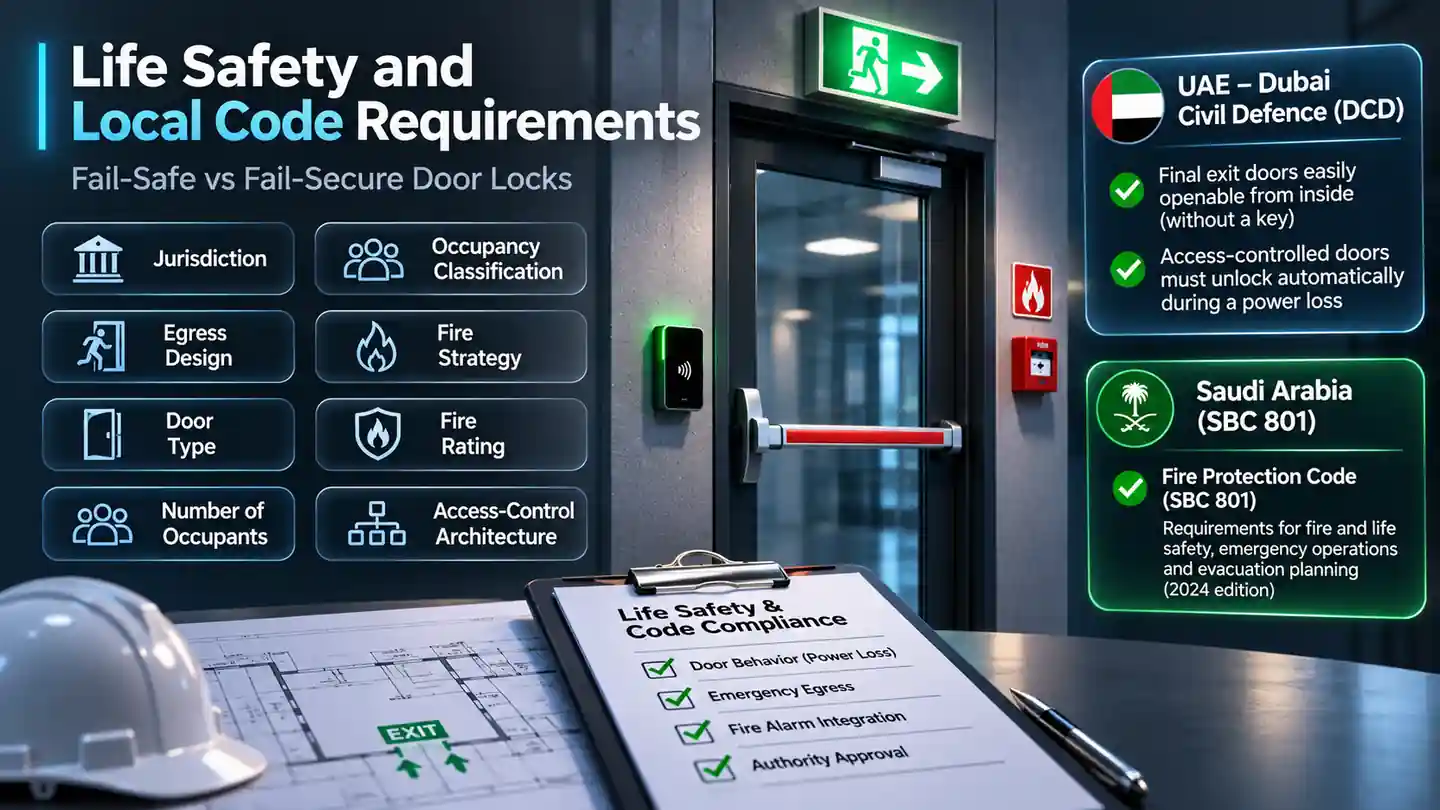
In the UAE, Dubai Civil Defence escape guidelines require final exit doors to be easily openable from inside without needing a key. Additional DCD checklists also require access-controlled doors in specific building setups to unlock automatically during a power loss. These rules highlight why a door’s role in life safety must be settled long before choosing an electric lock.
Projects in Saudi Arabia demand the very same tailored approach.
The Saudi Building Code relies on SBC 801 as its Fire Protection Code, which lays out baseline requirements for fire and life safety, emergency operations and evacuation planning. As noted on the Saudi Building Code website, the 2024 edition is currently the latest version.
However, an integrator shouldn’t reduce either region’s rules down to a single blanket rule like:
“Every lock has to be fail-safe.”
What’s actually required depends on the specific door and the approved building design.
For any project in Riyadh, the consultant, fire safety designer, access-control contractor and relevant authority need to align on how each door should behave. The exact same standard applies in Dubai. Access control is meant to secure a building, but it should never get in the way of its approved emergency exit routes.
Fire Alarm and Emergency Exit Considerations
A common mistake in Fail-Safe vs Fail-Secure Door Locks planning is assuming that just because your access control system can send an unlock command, you automatically have a fail-safe emergency release in place. In reality, those two things are completely different.
Paxton explicitly warns that sending an “open door” signal from software like Net2 during an alarm isn’t a true fail-safe release on its own. If the access controller loses power or crashes, that software command never goes through which is why you always need a dedicated physical release mechanism at the door.
That distinction can make all the difference in a real emergency. Consider what happens when things go wrong:
The fire alarm goes off.
The alarm interface triggers a signal.
The access panel is supposed to unlock the door.
But the panel itself has lost power or frozen up.
If your escape strategy relies entirely on system software or controller logic, the door stays locked when people need to get out. For any door on an escape route, a safer design cuts power directly to the lock hardware itself during an alarm.
Paxton documents a Net2 PSU configuration where a normally closed output from the fire alarm connects to a trigger-disconnect input. When the fire-alarm relay changes state, power is removed from the connected lock. Paxton’s trigger-disconnect application note shows this arrangement with a magnetic lock and fire-alarm control panel.
Depending on your project’s life-safety rules, a complete emergency exit setup might combine several elements:
- Fire-alarm interface
- Emergency break-glass release
- Mechanical lever
- Panic hardware
- Request-to-exit device
- Battery-backed power supply
- Door-position monitoring
Keep in mind that one safety device doesn’t automatically replace another.
A motion-based exit sensor helps with smooth daily traffic, but you shouldn’t rely on it as your primary emergency release mechanism. Similarly, a battery backup maintains uptime during power flickers, but your doors still need to react properly according to approved fire codes when an actual emergency happens. The best approach is mapping out the exact sequence for each scenario ahead of time.
When alarm X occurs:
Which electrical circuit changes state?
Which lock releases?
Does the release depend on software?
What local override remains available?
If the design team cannot answer those questions clearly, the door is not ready for handover.
Choosing by Door Type and Risk
When comparing Fail-Safe vs Fail-Secure Door Locks, the best starting point is looking at what the door is actually used for.
Main Exit or Escape Route
Life safety always comes first here. The setup needs to line up with the building’s overall exit plan and satisfy local safety codes. Access controls should never get in the way of people getting out safely when they need to.
Server or Data Room
The requirement is different. Keeping unauthorized people out during a blackout is usually a top priority, so a fail-secure setup with mechanical egress from inside often makes the most sense—provided local codes allow it.
Warehouse Staff Entrance
Here, it’s all about balancing secure entry with smooth, reliable exit for staff.
The system may also need to support:
- Shift changes
- Anti-passback restrictions
- Access schedules
- Emergency unlocks
- Visitor or contractor access
High-Value Logistics Storage
Maintaining security during a power outage is critical here. For a facility in KSA storing high-value inventory, having every internal lock pop open during a blackout creates a major security risk. That doesn’t mean life safety gets ignored, though. It means the system should distinguish between escape requirements and ingress security.
Office Interior Door
A standard fail-secure electric strike paired with a mechanical lever handle on the inside usually offers a simple, effective solution depending on the door design.
Glass Door or Door Without Conventional Latching
Magnetic locks are often the go-to here since standard strikes don’t always work well with frameless glass designs. Because the magnet is the only thing holding the door shut, having a solid emergency exit plan becomes even more essential.
This is where partnering with regional experts like D3 pays off when evaluating Fail-Safe vs Fail-Secure Door Locks. As a Paxton Distributor, D3 assists projects throughout Dubai, Saudi Arabia and the GCC with tailored system selection and consulting rather than treating readers and locks like off-the-shelf parts. That kind of planning is crucial for Riyadh logistics hubs and warehouse facilities, where a single site might have public entrances, loading docks, server rooms, storage areas, staff access and fire exits all under one roof.
A single hardware approach rarely works for every door on site.
Questions for Installers and Authorities
Before signing off on any electronically locked door, take a step back and run through these essential questions about Fail-Safe vs Fail-Secure Door Locks:
What happens if power gets completely cut?
Don’t settle for vague answers like “it ought to unlock.” Figure out the exact physical state of the lock mechanism.
Is the hardware fail-safe or fail-secure?
Make sure to verify the specific model numbers and hardware specs.
Can someone still get out using mechanical hardware?
If the answer depends entirely on electronics, the life-safety review deserves more attention.
Does this door sit on an official emergency exit route?
That detail heavily dictates how the lock must be configured.
Is it a fire-rated door?
Fire-rating and latching requirements may change the acceptable hardware.
Will the fire alarm trip the lock release?
If so, map out the exact chain of events that triggers it.
Is that release hardwired directly or tied to software?
This difference can make or break life-safety compliance.
Is there a local emergency override?
Confirm its location and function.
Do local codes demand panic hardware on this opening?
Building occupancy levels and door functions will determine this.
Is battery backup provided?
Understand what it maintains and for how long.
What happens if the controller fails but electrical power remains available?
Controller failure and mains failure are different events.
Has your consultant and local authority signed off on the plan?
Installers shouldn’t have to guess or improvise safety strategies on the fly.
These details need to be nailed down long before ordering hardware. Swapping out a lock specification on paper early on is simple. Redesigning dozens of completed doors after inspection is not.
Door Hardware Selection Checklist
Before finalizing any access-controlled door, run through this quick Fail-Safe vs Fail-Secure Door Locks checklist:
- Door purpose — Is this for an office, warehouse, server room, main exit, stock room or building perimeter?
- Egress status — Does this opening serve as a designated emergency escape route?
- Fire rating — Does the complete door assembly need to meet a specific fire-resistance rating?
- Lock type — Are you using an electric strike, a magnetic lock or a different approved hardware setup?
- Power-failure state — Should the lock default to fail-safe or fail-secure mode when power drops?
- Mechanical egress — Can occupants exit freely via physical hardware without relying on access-control software?
- Fire-alarm behaviour — What physical response occurs the moment the fire alarm trips?
- Emergency override — Does the door require a manual break-glass unit or local override switch?
- Panic hardware — Is push-bar or panic hardware mandatory based on occupancy load and door use?
- Door monitoring — Is a dedicated door contact installed to monitor door status?
- Request to exit — How does the system detect and log standard egress?
- Power supply — Is the lock connected to a properly rated and reliable power source?
- Battery backup — Does operational uptime justify installing a dedicated battery backup?
- Controller failure — What physical state does the door default to if the access controller crashes?
- Access-control platform — Is the overall hardware setup fully supported by your access system?
- Authority approval — Have local fire and life-safety authorities formally approved the configuration?
- Testing — Have you physically tested power loss, alarm triggers and normal exits on site?
- Documentation — Are these configurations clearly documented for your facilities and security teams?
For multi-site organizations, record these decisions per door rather than assuming all doors of the same building use the same arrangement.
This level of detail is especially helpful when scaling operations across Dubai and Riyadh. Teams like D3 can step in to assist with Paxton hardware sourcing, regional supply and overall solution design across GCC sites, ensuring everything aligns seamlessly with whatever safety guidelines your consultants and local authorities specify.
For example logistics operators in KSA, this approach also makes expansion easier. New warehouses can follow the same documented design methodology while still adapting each site to its approved fire strategy and local requirements.